


Best Cleaning Tablets for Baby Bottles in 2026
Find the best cleaning tablets for baby bottles. Compare formulas, safety standards, and what really works for busy parents in ...

Malaysia opens my.nuviebaby.com, prices in RM.

You're feeding every three hours. The bottles pile up. The sink fills with parts. Your hands are raw from scrubbing, and you're Googling at 2am whether you really need to sterilize every single time. If you're exhausted just thinking about bottle hygiene, you're not alone. A milk bottle washer and sterilizer can pull you out of this cycle, but only if you know what actually works and what's just marketing noise.
Scrubbing bottles by hand takes 5-8 minutes per bottle when you factor in washing, rinsing, sterilizing, and drying. With 6-8 bottles a day, that's an hour you don't have.
Manual washing also leaves room for error. Miss a spot of dried milk in the nipple threads, and bacteria have a home. Rinse inadequately, and detergent residue sits where your baby's next feed will go. Steam sterilization after washing kills what scrubbing misses, but doing both manually is two separate tasks.
The baby bottle washer and sterilizer market has grown specifically because parents are done with this grind. According to market data, the global bottle washer and sterilizer market is expanding as more households recognize that automated hygiene isn't a luxury, it's a baseline need.
Sterilization kills 99.9% of bacteria, viruses, and fungi. It's not the same as cleaning. Cleaning removes visible residue. Sterilizing eliminates the microorganisms you can't see.
For babies under 12 months, especially those under 3 months or born prematurely, sterilization is non-negotiable. Their immune systems can't handle what older children shrug off.
Not all machines do the same job. Here's what's actually on the market in 2026.
Steam sterilizers heat water to 100°C, creating steam that kills pathogens. They're fast (usually 8-15 minutes) and chemical-free.
Pros:
Cons:
UV sterilizers use ultraviolet light to kill bacteria. They're quiet and don't use heat or water. Some models include drying fans.
The catch: they only sterilize what the light reaches. Shadows mean missed spots. You still wash by hand beforehand.
These are the machines that do it all: wash, sterilize, dry, and sometimes store. They use high-pressure water jets to clean, then steam to sterilize, then heated or filtered air to dry.
| Feature | Steam Only | UV Only | Combined Washer-Sterilizer |
|---|---|---|---|
| Washing | Manual | Manual | Automatic |
| Sterilizing | Yes (steam) | Yes (UV) | Yes (steam) |
| Drying | No | Some models | Yes |
| Hands-on time | High | High | Low |
| Cycle time | 10-15 min | 20-40 min | 60-90 min |
Combined systems take longer per cycle, but you load dirty bottles and unload clean, dry, sterile ones. No intermediate steps.
Capacity matters more than you think. If you're exclusively bottle-feeding, you'll use 8-10 bottles a day. If you're pumping, add flanges, valves, and bottles. A machine that holds 4 bottles sounds fine until you're running three cycles a day.
Look for machines that fit at least 6-8 bottles plus pump parts.
High-pressure spray jets work. They reach into nipple crevices and bottle threads where milk hides. Machines with 360-degree rotating jets clean more thoroughly than static spray.
Some systems require proprietary detergents. That's not a gimmick. Standard dish soap foams too much and leaves residue on baby items. Low-foam formulas designed for baby bottle washers rinse cleaner and protect delicate parts.
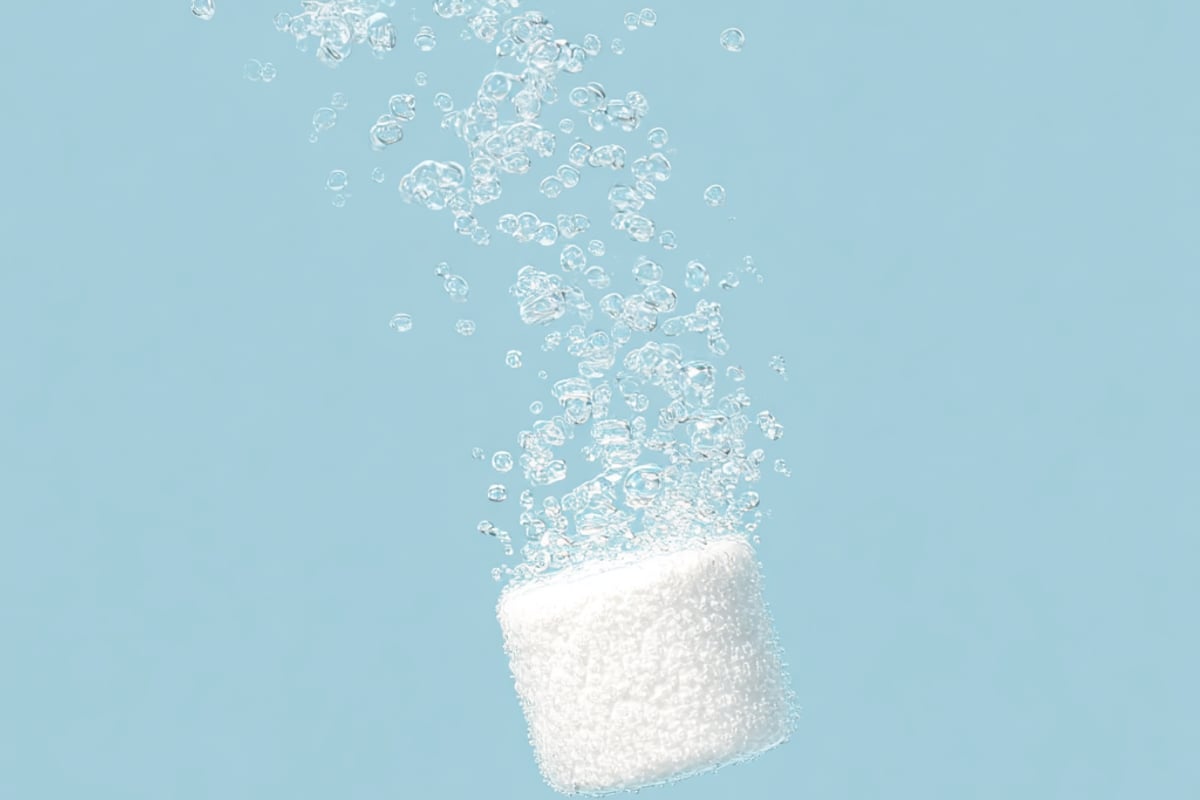
The nuviebaby Clean uses Super Clean™ Washing Tablets, which are low-foam, residue-free tablets made specifically for automated bottle washing. One tablet per cycle breaks down milk proteins and fat without leaving behind soap film that ordinary detergents leave. It's a small thing that keeps every cycle safe.
Wet bottles breed bacteria. Drying needs to be part of the process, not a separate chore.
Heated drying uses warm air to evaporate water. It's fast but can be loud.
HEPA-filtered drying pulls in air, filters out dust and particles, then circulates it through the chamber. Cleaner air means bottles don't pick up new contamination while they dry.
Machines with filtered drying are worth the extra cost if you're storing bottles in the machine between feeds.
Some milk bottle washer and sterilizer units keep bottles sterile for 24-72 hours after the cycle ends. The chamber stays sealed, and filtered air circulates periodically to prevent recontamination.
This is useful overnight or when you batch-clean bottles once a day instead of after every feed.
Most countertop models don't need plumbing. You pour water into a reservoir, the machine does its work, and you empty a drain tank afterward. Simple, but it adds 2 minutes to each cycle.
Hard water is your enemy. Minerals build up inside the heating elements and spray jets, reducing performance and shortening the machine's life. If your area has hard water, plan to descale monthly.
Descaling tablets dissolve mineral deposits without damaging seals or heating elements. Skip this, and you'll see white residue on bottles and weaker spray pressure within months.
According to equipment maintenance standards used in commercial milk processing, regular cleaning and descaling of stainless steel equipment is essential for corrosion resistance and performance. The same principle applies at home.
Guidelines vary by country, but the consensus for 2026:
The CDC recommends sterilization at least once daily for young infants, particularly if they were born prematurely or have health concerns. As babies grow and their immune systems strengthen, you can reduce frequency.
If you're using a milk bottle washer and sterilizer that combines both steps, there's no reason not to sterilize every time. You're not adding work.
Even with perfect cleaning, bottles don't last forever. Plastic bottles develop micro-scratches where bacteria hide. Glass bottles can chip.
Replace bottles every 4-6 months, or sooner if you see:
How often to change baby bottles depends on material and wear, but regular replacement is part of keeping feeding safe.
Overloading the machine. Cramming in extra bottles blocks spray jets. Bottles don't get clean, and you waste a cycle. Follow the manufacturer's capacity limits.
Using the wrong detergent. Dish soap, even "gentle" formulas, isn't made for baby items. It foams excessively, leaves residue, and can damage machines. Use products designed for baby bottle washing.
Skipping the rinse aid. If your machine has a rinse aid option, use it. It helps water sheet off bottles instead of beading, which speeds drying and prevents water spots.
Not cleaning the machine itself. Filters, spray arms, and drain tanks need regular cleaning. A dirty machine can't deliver clean bottles. Wipe down seals and empty catch trays weekly.
A typical cycle uses 2-4 liters of water and runs for 60-90 minutes. That's less water than hand-washing 8 bottles under a running tap, and about the same energy as a kettle boiling three times.
In 2026, most countertop models are more efficient than running a full dishwasher (which uses 10-15 liters per cycle) and far more thorough than hand-washing when it comes to sterilization.
If you run one cycle per day, you're looking at roughly £3-5 per month in water and electricity, depending on your rates.
A good milk bottle washer and sterilizer costs between £200-£400. That sounds steep until you calculate the time saved.
Price per hour saved: under £1. That's cheaper than hiring help, and you get consistency every cycle.
Standard dishwashers clean adequately but don't sterilize. Even on the hottest setting, they max out around 65-70°C. Steam sterilization reaches 100°C.
Dishwashers also take 2-3 hours per cycle and use 10-15 liters of water. If you're only washing bottles, that's wasteful. If you're washing bottles with your regular dishes, you're exposing baby items to food residue and harsher detergents.
For bottle cleaning and sterilization, a dedicated machine gives you control, speed, and peace of mind.
Look for machines that meet safety standards for baby products. In the UK, this means CE marking. In the US, look for FDA compliance for food-contact surfaces.
Materials matter. BPA-free plastics, food-grade stainless steel, and heat-resistant silicone are standard. Cheap machines sometimes use lower-grade plastics that warp or leach chemicals when heated repeatedly.
Regulations governing equipment sanitization in food processing provide useful benchmarks. Effective sterilization requires sustained high temperatures and proper contact time, principles that apply whether you're processing milk commercially or cleaning bottles at home.
The biggest shift parents notice isn't just time saved. It's mental load lifted. No more questioning if you scrubbed well enough. No more leaving bottles to air-dry overnight and hoping nothing lands in them.
One cycle, and you're done. Bottles come out clean, dry, and sterile. You can load them straight into the machine from the sink, no pre-rinse needed if you're using a high-pressure system.
The downside: noise. Most machines run at 45-55 decibels, about as loud as a quiet conversation. If your kitchen is open-plan or near the nursery, this can be an issue during naps. Plan your cycles accordingly.
Single-function gadgets. Bottle brushes, drying trees, separate sterilizers. If you're buying a milk bottle washer and sterilizer, you don't need these. They take up counter space and create extra steps.
Fancy features you won't use. App connectivity, voice control, custom cycle scheduling. These add cost without adding value for most parents. Focus on core performance: cleaning power, sterilization temperature, drying effectiveness, and capacity.
Extended warranties that duplicate manufacturer coverage. Most reputable brands offer 1-2 year warranties standard. Read what's covered before paying extra.
A milk bottle washer and sterilizer won't fix sleepless nights, but it will take one relentless chore off your plate. The time you save adds up, and the peace of mind that comes from consistent sterilization is worth more than the price tag. If you're ready to stop scrubbing and start sleeping, nuviebaby builds machines that do the work for you: wash, sterilize, dry, and store, so you can focus on everything else that matters.
Find the best cleaning tablets for baby bottles. Compare formulas, safety standards, and what really works for busy parents in ...

Looking for an avent bottle cleaner solution? Learn the best cleaning methods, products, and what actually works for Avent bott...

White spots or cloudy film on bottles after washing? It's mineral deposit from tap water, and in most cases you can sort it out...

